Ordering beer in bars and restaurants
In bars and restaurants, you don't always see the label. Here's how to get the information you need.
Your rights: Staff must be able to provide allergen information for any product on request. This is required by EU food law.
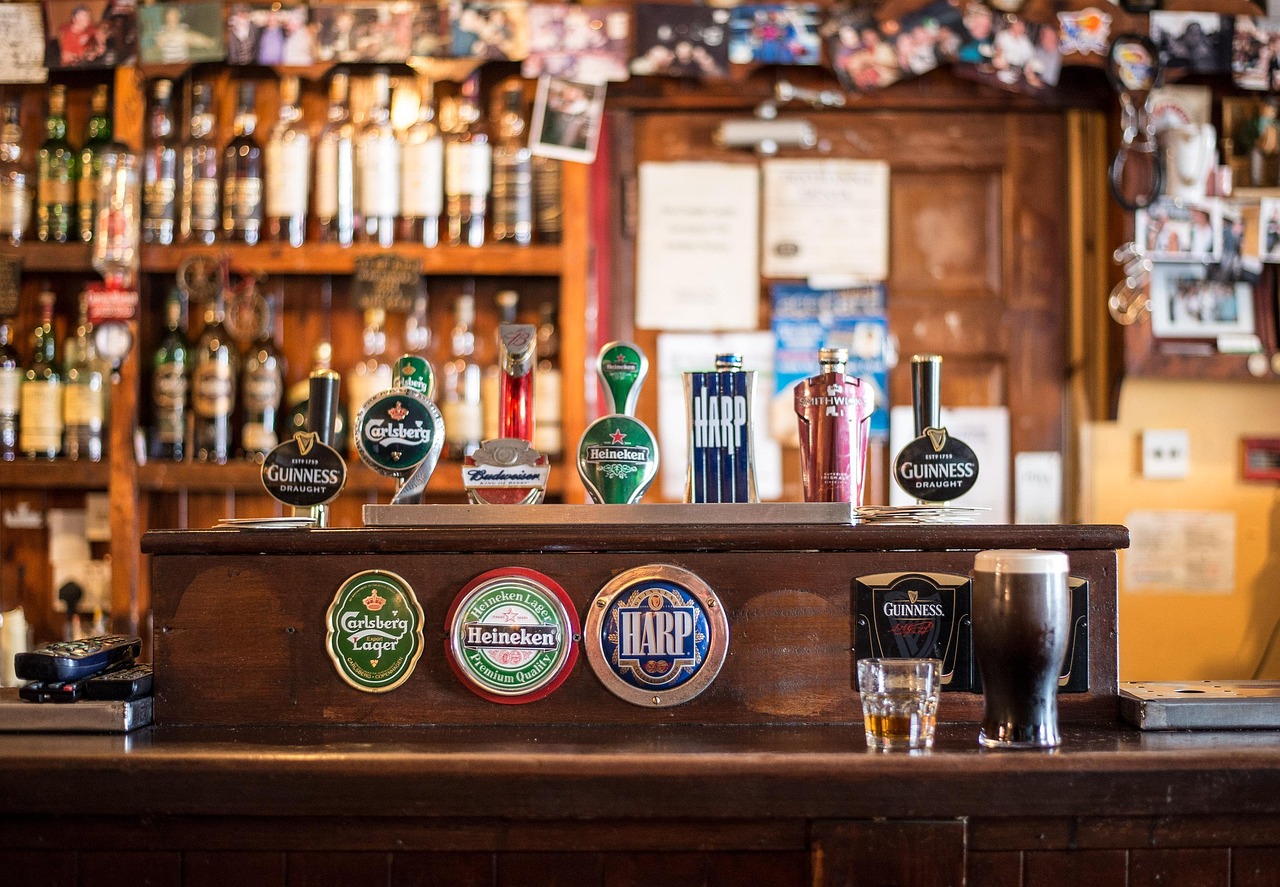
In bars and restaurants, you may not always see the full label, but you still have the right to information about what you're ordering.
Questions you can ask
Before ordering
- "Can I see the bottle or can?" (for packaged beers)
- "Where is this beer brewed?"
- "Does this contain [specific allergen]?"
- "Is this the same beer as [brand], or a different brewery?"
- "How fresh is this?" (especially for hoppy beers)
For draught beer
- "When was this keg tapped?"
- "Is this cask or keg conditioned?"
- "What gas is this served with?" (CO2, nitrogen, mixed, or natural)
Draught beer: what you're actually ordering
Keg beer
Almost all draught beer in Europe is keg beer. The beer is fully fermented before packaging, then sealed in a keg — metal or plastic — and served under CO₂, nitrogen, or a mix of both at the bar. The result is consistent and predictable: the same carbonation and flavour from the first pour to the last, usually with a shelf life of one to two weeks once tapped.
Signs of a well-kept keg
- Served at the right temperature for the style
- Clean, fresh aroma — musty or sour notes often point to dirty lines
- Appropriate carbonation — neither flat nor over-fizzy
- A persistent head for styles that should have one
Cask beer (real ale)
In the UK, and in some specialist beer pubs elsewhere in Europe, you may also encounter cask beer — also known as real ale. Unlike keg, the beer goes into the cask before fermentation is fully complete and continues to condition at the pub, served by hand pump or gravity with no external gas. The result is a live, unfiltered beer at cellar temperature (11–13°C) with soft natural carbonation. Because it is still alive it changes from day to day and is best drunk within 3–5 days of tapping.
Signs of a well-kept cask
- Lively but not fizzy — soft natural carbonation with a fine head
- Clear or appropriately hazy (some styles are naturally cloudy)
- Served at cellar temperature (11–13°C), not refrigerator-cold
- Fresh, clean aroma — no vinegar, sour, or musty notes
Asking about cask
If you're ordering cask, it's perfectly reasonable to ask when the cask was tapped — good pubs will know and won't mind telling you.
What to look for
Good signs
- Staff can answer questions about the beer
- Allergen information is available
- They can show you the packaging on request
- Tap handles match what's being poured
- Beer menu includes brewery/origin info
Worth questioning
- Staff don't know where beer is brewed
- Can't provide allergen information
- Generic descriptions only ("it's a lager")
- Unwilling to show packaging
- Tap handle doesn't match the keg