How to read a beer label
Most labels are technically correct, but not always easy to interpret. Here's what to look for and why it matters.
Beer labels in the EU must include certain information by law, but the way it's presented can vary widely. Understanding what's required, what's optional, and what's marketing helps you make informed choices.
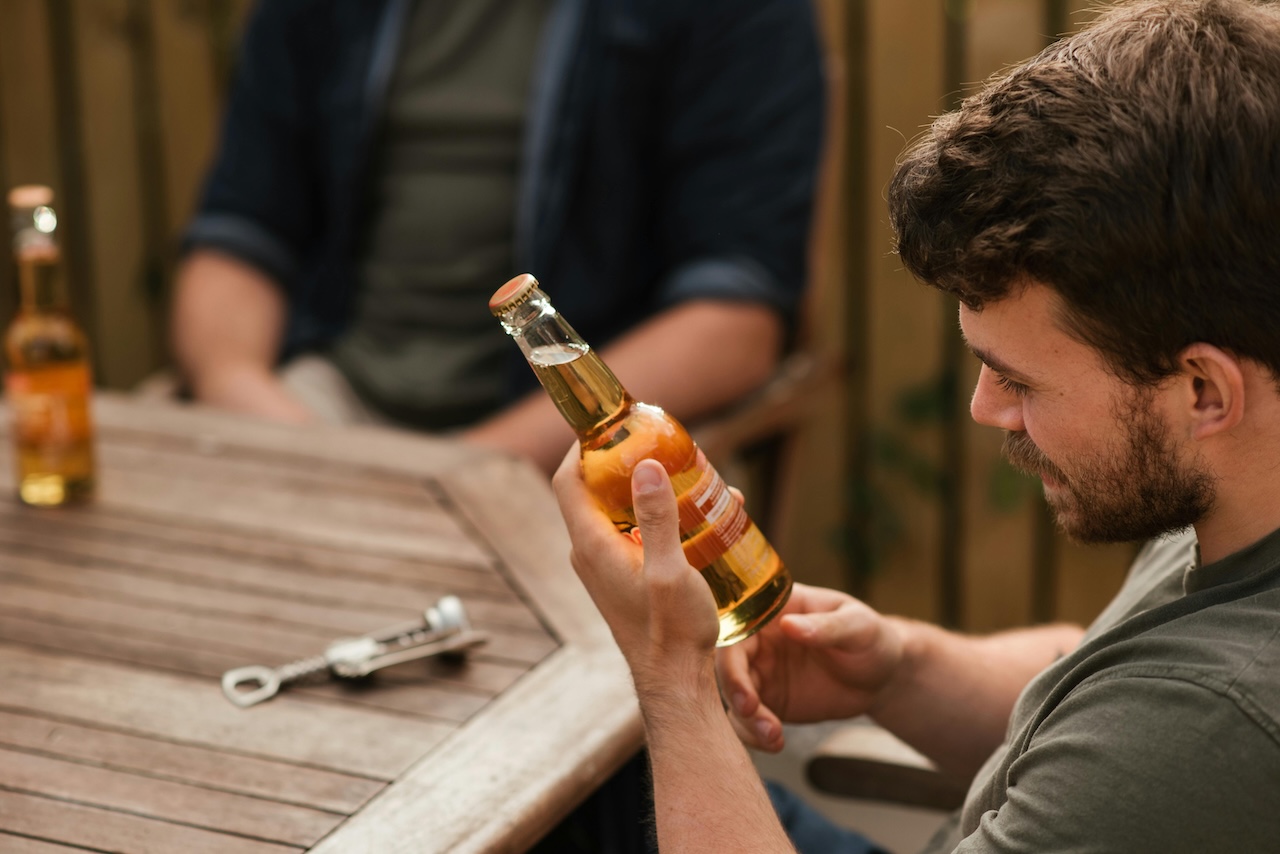
Taking time to read beer labels helps you understand what you're buying and make better choices.
Alcohol content, serving size & beer style
Understanding ABV, standard drinks, and what beer styles tell you about flavour expectations.
Learn MoreIngredients & allergens
What's actually in your beer, from core ingredients to common additives and allergen information.
Learn MoreProducer & origin
Who actually made your beer and where — understanding producer phrases, contract brewing, and how to find the real brewing location.
Learn MoreMarks, logos & certifications
EU quality marks (PGI, PDO, TSG), Trappist and Abbey Beer certifications, independent brewer logos, and competition awards explained.
Learn MoreFreshness, dates & traceability
Packaged-on vs best-before dates, batch codes, and how different styles age.
Learn MoreStorage, sediment & 'live' beer handling
Proper storage conditions, understanding sediment, and serving bottle-conditioned and cask beers.
Learn MoreQuick reference
Required by law
- Alcohol by volume (ABV)
- Net quantity (volume)
- Allergen information
- Best-before date
- Country of origin
- Business name and address
Voluntary (industry commitment)
- Ingredients list
- Nutrition information
- (Can be via QR code)
- 95% of EU beer volumes now include ingredients through industry self-regulation
Often optional
- Brewing location
- Packaged-on date
- Serving suggestions
- Tasting notes
- Competition awards/medals
Health warning and responsible drinking logos
Pregnancy warnings, drink-driving symbols, minimum age logos, and "Drink Responsibly" marks are covered in the Alcohol content & beer style topic.
Marks, logos & certifications
EU quality marks (PGI, PDO, TSG), Trappist and Abbey Beer designations, independent brewer logos, and competition awards are covered in the Marks, logos & certifications topic.
Understanding the regulatory landscape
Unlike wine, beer is currently exempt from mandatory ingredient and nutrition labelling under EU food law. The brewing industry voluntarily committed to providing this information through a 2019 Memorandum of Understanding with the EU. Ireland is set to become the first EU country to mandate comprehensive alcohol labelling (now expected September 2028). The EU Consumer Agenda 2030 continues to support consumer empowerment and transparency across all sectors.