Understanding ABV
ABV (Alcohol By Volume) tells you what percentage of the drink is pure alcohol. It's required on all beer labels in the EU. The terms below are commonly used but not all are formally defined — they describe how most consumers and brewers use these ranges.
- Alcohol-free: Up to 0.5% ABV — full-flavoured beers with minimal or no alcohol
- Low-alcohol: Generally under 4% ABV — lighter beers including session ales and lagers
- Standard strength: 4–6% ABV — most lagers and pale ales
- Strong: 7–10% ABV — many Belgian styles, IPAs, stouts
- Very strong: Over 10% ABV — barleywines, imperial stouts, some specialty beers
"Alcohol-free" doesn't always mean 0.0%
The threshold for what can be labelled "alcohol-free" varies between countries. In many European countries, including under common EU practice, a beer can be labelled "alcohol-free" if it contains up to 0.5% ABV. Some countries apply a stricter threshold, requiring 0.0% ABV for that claim. Products labelled "0.0%" are genuinely alcohol-free in all markets. If you need to avoid any alcohol — due to pregnancy, medication, religious observance, or personal choice — check whether the label says "0.0%" or simply "alcohol-free", and check the ABV figure directly.
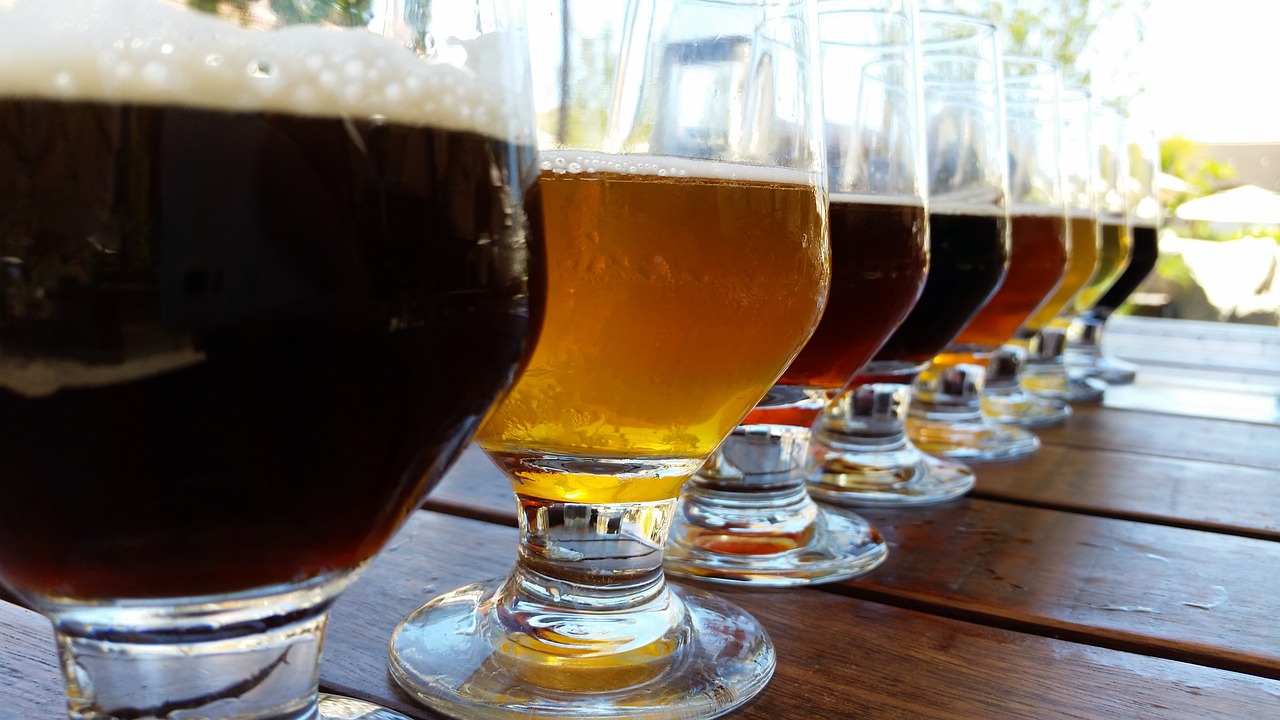
Beer styles vary widely in strength, flavour, and appearance. Understanding ABV and style helps you choose the right beer.
Standard drinks and units
A "standard drink" or "unit" of alcohol varies by country, but generally represents about 10g of pure alcohol. This helps you track consumption regardless of the drink's strength.
Quick calculation
To estimate units in a beer: multiply the volume (in litres) by the ABV percentage.
- 330ml at 5% = 0.33 × 5 = 1.65 units
- 500ml at 4% = 0.5 × 4 = 2 units
- 330ml at 8% = 0.33 × 8 = 2.64 units
Beer styles and flavour expectations
Style names on labels give you clues about what to expect. While not regulated, common styles have established characteristics:
Lagers
Clean, crisp, often light. Pilsners are hoppy lagers; Helles and Märzen are maltier.
Pale Ales & IPAs
Hop-forward with citrus, pine, or tropical notes. IPAs are stronger and more bitter than pale ales.
Wheat beers
Often cloudy, with banana and clove notes (German) or orange and coriander (Belgian).
Stouts & Porters
Dark, roasty, with coffee and chocolate flavours. Porters are generally lighter than stouts.
What style names don't tell you
Style names aren't regulated, so different brewers may interpret them differently. A "Belgian-style" beer from the US may taste quite different from one brewed in Belgium. Use style as a guide, not a guarantee.
Learn more about beer styles
EBCU maintains a comprehensive database of beer styles with detailed descriptions, history, and characteristics for hundreds of styles from around the world.
Visit EBCU Beer StylesHealth warnings and responsible drinking logos
Beer labels across Europe carry various health and safety symbols. Some are legally required; others are voluntary industry initiatives.
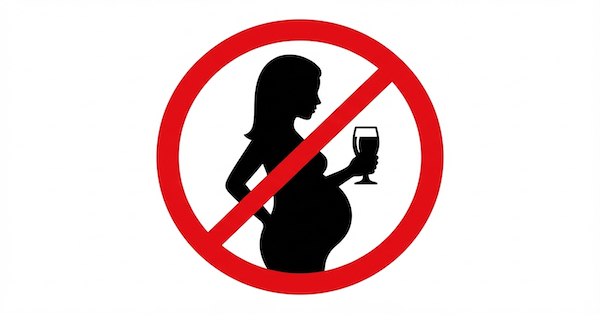
Pregnancy warning
A pictogram of a pregnant woman with a line through it indicates the product contains alcohol and advises against consumption during pregnancy. This symbol has been mandatory in France since 2007 for all beverages above 1.2% ABV, and its use is spreading across Europe. The EU Alcohol Labelling Regulation adopted in 2023 will require health warnings — including a pregnancy warning — on all alcohol products sold in the EU.
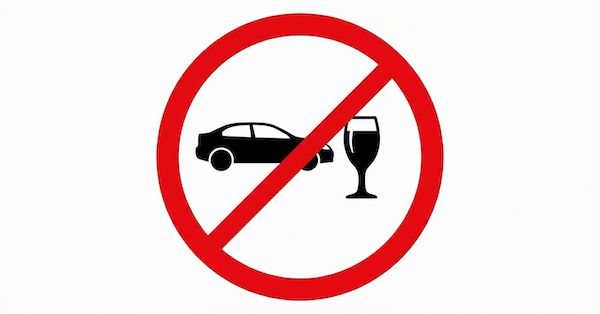
Drink-driving warning
A symbol of a car or steering wheel with a line through it indicates the product should not be consumed before driving. This appears across Europe, either as a voluntary industry addition or combined with the pregnancy warning into a single symbol strip.
Minimum age logos
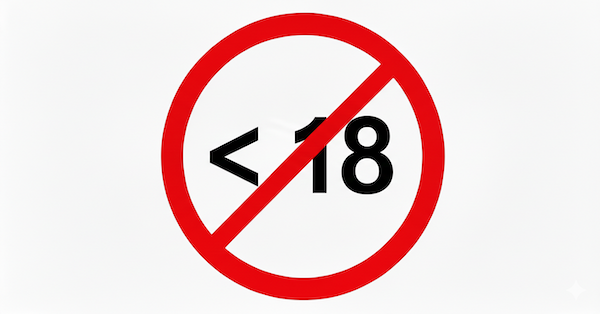
An "18+" symbol indicates the product should not be sold to anyone under 18. In most European countries the minimum age is 18 for all alcohol. Some countries set a lower minimum age for beer and wine than for spirits, though the general trend across Europe has been toward a single minimum age of 18 for all alcohol. Labels showing "18+" may not always reflect the specific rules in every country where the beer is sold.
"Drink Responsibly" logos
Many labels carry voluntary messages such as "Enjoy Responsibly" or "Please Drink Responsibly", or logos from national public health bodies (such as Drinkaware in the UK and Ireland, or national equivalents elsewhere in Europe). These are voluntary initiatives and carry no regulatory status. Their presence does not indicate any form of regulatory compliance.
Note
This page is a draft. More detailed information about style categories and regional variations will be added.