Understanding date information
Beer labels may include various dates and codes. Understanding what they mean helps you choose fresher beer, especially for styles where freshness matters most.
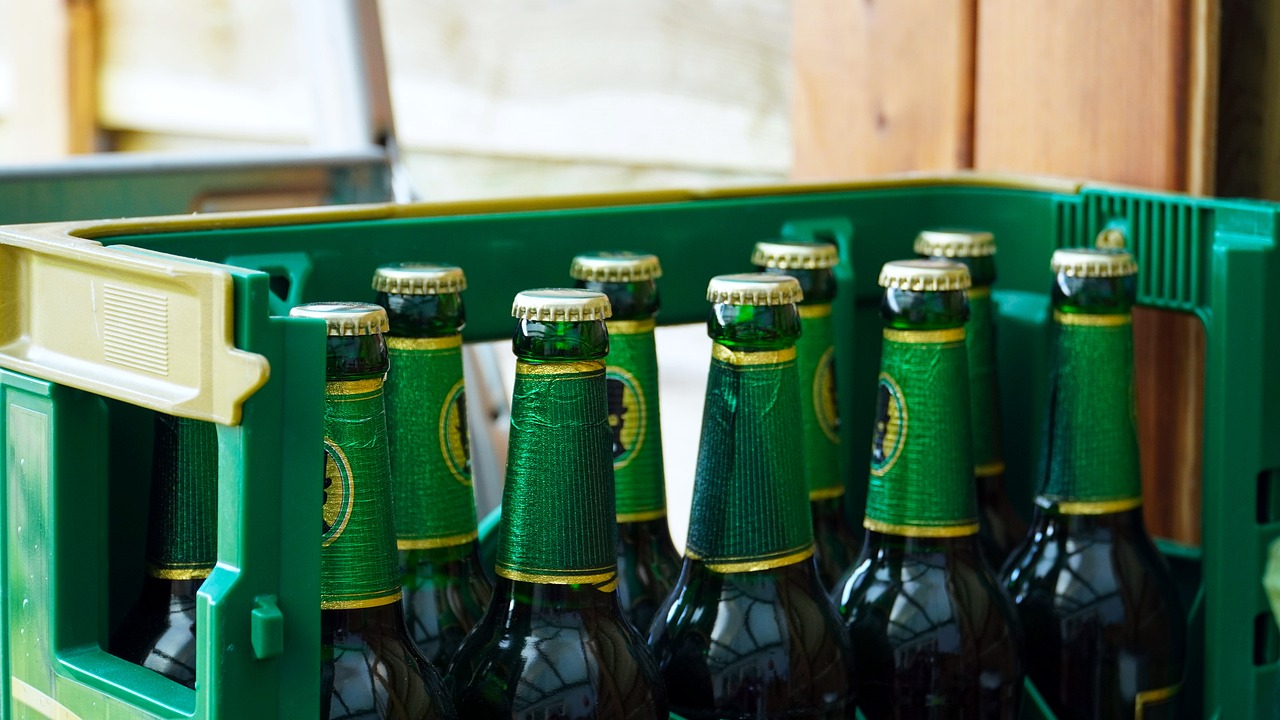
Checking dates and batch codes helps you select the freshest beer, especially for styles where freshness matters.
Types of date markings
Best before date
Indicates when the beer is expected to be at optimal quality. Required on most beers in the EU. Beer is usually still safe to drink after this date, but the flavour may have changed or is not as initially intended by the brewer. For hop-forward beers, flavour changes start well before the best-before date.
Packaged-on / Canned-on / Bottled-on date
Tells you when the beer was packaged. More useful than best-before for judging freshness of hop-forward beers like IPAs. A beer packaged last week is fresher than one packaged 3 months ago, even if both are within their best-before dates.
Batch codes
Alphanumeric codes used for traceability. Some include encoded dates. Format varies by brewery. Examples: "L2024 089" might mean 2024, day 89 (March 29). Check the brewery's website for decoding instructions.
Which beers need to be fresh?
Freshness matters most
- IPAs and pale ales (hop aroma fades)
- Session beers and lagers
- Wheat beers
- Low-ABV beers
Can age well
- Barleywines
- Imperial stouts
- Belgian strong ales
- Sour and wild ales
- High-ABV beers (generally 8%+)
What to look for
Checklist
- Look for packaged-on dates on IPAs and hoppy beers
- For IPAs, aim for beer packaged within the last 60-90 days
- Check that best-before dates are clearly printed and not altered
- Note that beer stored in warm conditions degrades faster
Note
This page is a draft. More detailed guidance on date formats and batch code interpretation will be added.